Canada’s latest inflation numbers are in, and while the headline figure might raise a few eyebrows, there’s actually some encouraging news beneath the surface. Particularly for homeowners and anyone keeping a close eye on mortgage rates.
According to the latest economic update from Dr. Sherry Cooper, Chief Economist at Dominion Lending Centres, Canada’s Consumer Price Index (CPI) increased 3.1% year-over-year in October, unchanged from September.
At first glance, that’s still above the Bank of Canada’s 2% inflation target. But here’s where things get interesting.
Gas Prices Are Making a Lot of Noise
Much of the inflation we’re seeing continues to come from higher energy prices, particularly gasoline and natural gas.
Gasoline prices were up a whopping 30.9% compared to October 2025, largely due to geopolitical tensions and the way last year’s lower oil prices affect the annual comparison.
However, when we remove energy from the equation, inflation was just 2.0% in October, down from 2.1% in September.
Even more encouraging, the Bank of Canada’s preferred measures of core inflation, which help filter out some of the more volatile price swings, are averaging approximately 1.9%.
That’s much closer to where the Bank of Canada wants inflation to be.
What About Groceries and Everyday Expenses?
Unfortunately, Canadians aren’t exactly celebrating at the checkout.
Grocery prices increased 2.0% year-over-year in October, compared to 1.7% in September. And while that might seem relatively modest, grocery prices are now 31.9% higher than they were in October 2020.
That’s a substantial increase in the cost of feeding a household over six years, and a reminder that slower inflation doesn’t mean prices are coming back down. It simply means they’re rising more slowly.
On the positive side, lower cellular service costs and slower rent increases in certain provinces helped offset some of the upward pressure.
So, What Does This Mean for Mortgage Rates?
This is where I find the report particularly interesting.
Dr. Cooper points out that higher energy prices are putting pressure on household budgets, but aren’t necessarily creating the kind of widespread inflation that would justify a more aggressive response from the Bank of Canada.
At the same time, Canada’s labour market continues to show signs of weakness, with employment declining by approximately 41,200 jobs since the end of 2025.
That’s an important consideration.
The Bank of Canada needs to balance its responsibility to control inflation with the reality that higher interest rates can put additional pressure on an already vulnerable economy.
My takeaway?
While I certainly wouldn’t rule out further interest rate increases, these latest numbers provide some reason for cautious optimism.
The case for aggressively raising rates becomes harder to justify when underlying inflation is behaving relatively well and the Canadian economy is already showing signs of strain.
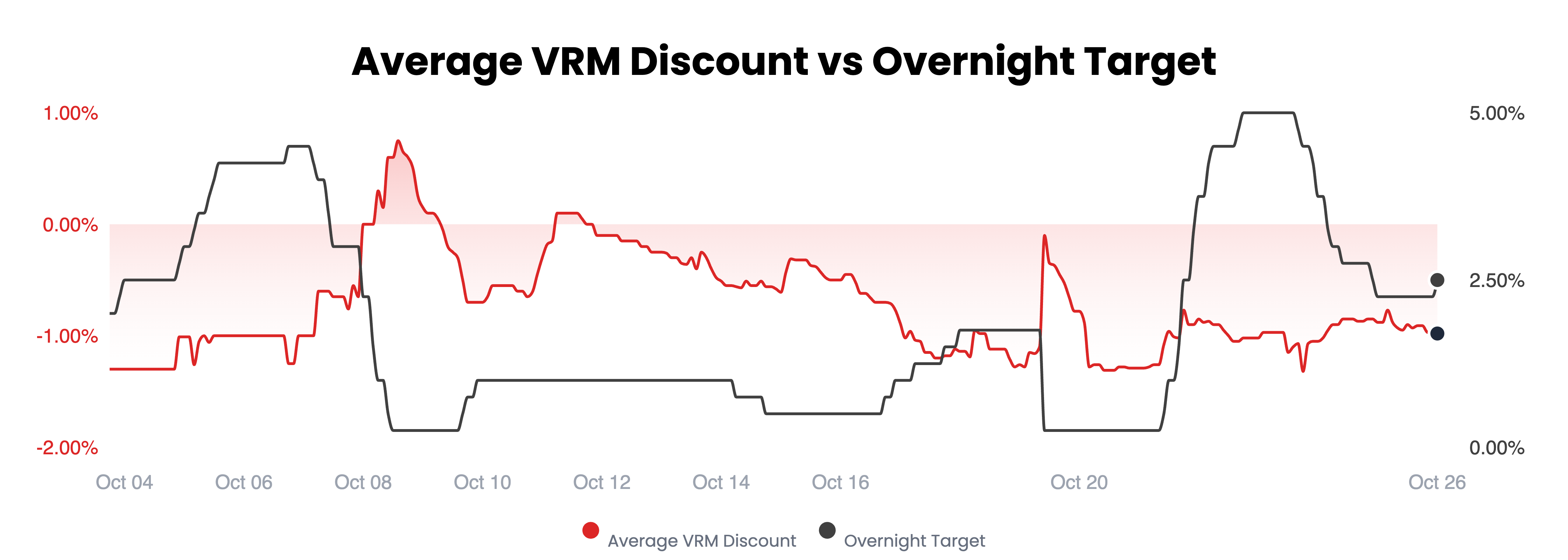
For variable-rate mortgage holders, future Bank of Canada decisions will be particularly important, as changes to the overnight rate generally influence lenders’ Prime rates.
Fixed mortgage rates, meanwhile, are influenced more directly by bond yields and market expectations, so they won’t necessarily move in lockstep with the Bank of Canada’s decisions.
The Bottom Line
The headline inflation number of 3.1% doesn’t tell the whole story.
When we look beyond higher energy costs, inflation appears considerably more manageable than the headline suggests. And with employment showing signs of weakness, the Bank of Canada has some difficult decisions ahead.
For homeowners approaching renewal, or prospective buyers wondering whether to choose a fixed or variable mortgage, I wouldn’t recommend making decisions based solely on predictions about where rates might go next.
There are still plenty of moving parts.
The best mortgage strategy isn’t necessarily about guessing where interest rates are headed. It’s about finding the right balance between your budget, flexibility, risk tolerance and long-term goals.
And that’s where having a good mortgage broker in your corner can make all the difference.
Economic commentary and inflation data sourced from Dr. Sherry Cooper, Chief Economist, Dominion Lending Centres, November 2026. Additional mortgage commentary and interpretation provided by Struck Mortgages.
Casey Struck
Struck Mortgages | Dominion Lending Centres Mortgage Mentors